Get Dead Tree Removal in Livingston, NJ
Dead Tree Removal services for Livingston, NJ, and nearby areas address hazardous, dead, or leaning trees, providing safe removal for property safety and landscape preservation.
Dead tree removal services are often sought by property owners in Livingston, NJ to address safety concerns and prevent potential damage. Dead or dying trees can pose risks of falling, especially during storms or high winds, which could threaten structures, vehicles, or pedestrians. Removing these trees helps mitigate such hazards, creating a safer environment for residents and visitors alike. Additionally, eliminating dead trees can prevent the spread of disease or pests to healthy nearby plants, supporting overall landscape health and durability.
Beyond safety, dead tree removal enhances the functionality and appearance of a property. Clearing away unsightly, decaying trees can improve curb appeal, making the landscape look well-maintained and inviting. It also reduces ongoing maintenance needs, such as cleaning up fallen branches or dealing with pest infestations. Property owners often seek these services to ensure their outdoor spaces remain functional, durable, and visually appealing, contributing to a more comfortable and attractive living environment.
- Dead Tree Removal services are needed when a tree poses a risk of falling and causing property damage or injury.
- Homeowners in Livingston, NJ, and nearby areas often seek these services after storms or when trees become diseased or decayed.
- Commercial properties may require dead tree removal to ensure safety and compliance with local regulations.
- Property owners may contact professionals for dead tree removal when trees are dead or dying and threaten nearby structures.
- In urban or suburban settings, dead tree removal helps maintain landscape safety and aesthetic appeal.
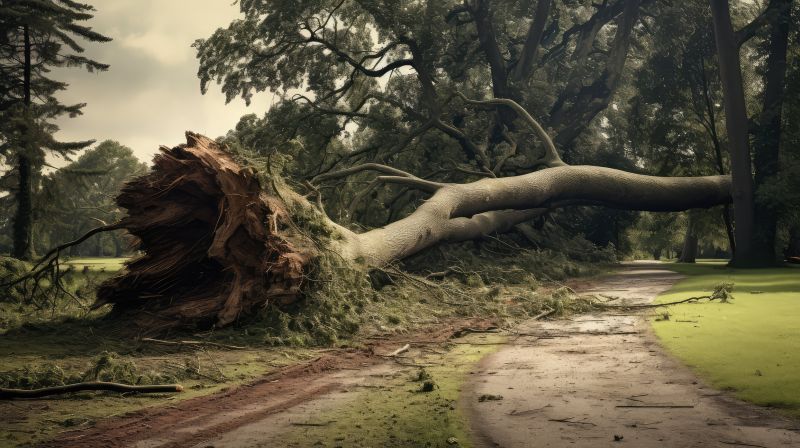
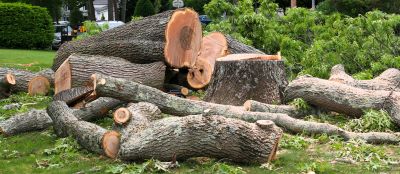
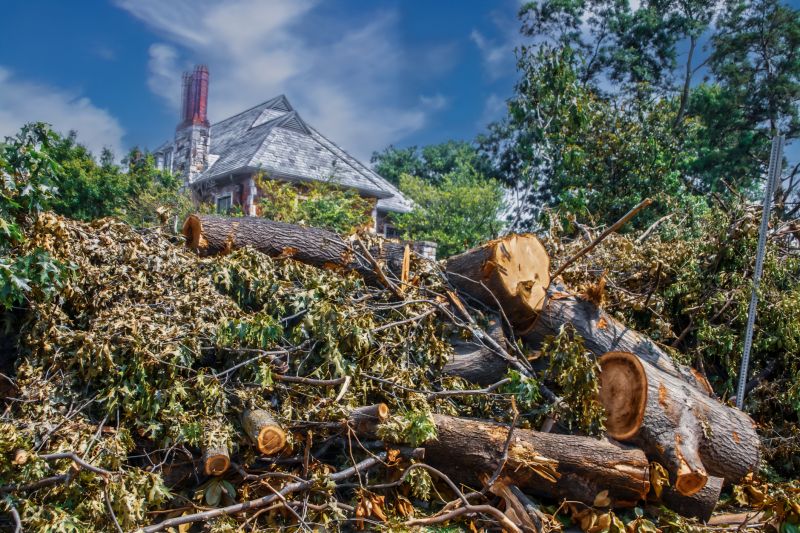
Dead tree removal services involve the safe and efficient removal of trees that are dead, decaying, or posing a risk to property and safety. These services typically include assessing the condition of the tree, planning the removal process, and executing the work with appropriate equipment. The goal is to eliminate hazards such as falling branches or entire trees that could cause damage during storms or high winds, while also preventing the spread of disease to nearby healthy vegetation.
This service helps address several common problems associated with dead or dying trees. Overgrown or decayed trees can become unstable, increasing the risk of falling and causing damage to structures, vehicles, or pedestrians. Dead trees may also serve as breeding grounds for pests or diseases that could spread to other plants on the property. Removing these trees can improve overall landscape safety, reduce liability concerns, and enhance the aesthetic appeal of the property.
Properties that typically utilize dead tree removal services include residential homes, commercial buildings, parks, and public spaces. In residential settings, homeowners often seek removal to protect their families and property from potential hazards. Commercial property owners may require tree removal to maintain safety standards and prevent liability issues. Public parks and municipal areas also rely on these services to keep outdoor spaces safe and visually appealing for visitors.
Engaging with local tree removal professionals ensures that dead or hazardous trees are addressed appropriately. These specialists have the experience and equipment necessary to perform removals efficiently and safely. By contacting qualified service providers, property owners can ensure that the removal process complies with local regulations and is carried out with minimal disruption to the surrounding environment.
The overview below groups typical Dead Tree Removal projects into broad ranges so you can see how smaller, mid-sized, and larger jobs often compare in Livingston, NJ.
In many markets, a large share of routine jobs stays in the lower and middle ranges, while only a smaller percentage of projects moves into the highest bands when the work is more complex or site conditions are harder than average.
Basic Dead Tree Removal - Typically costs between $200 and $500 for small to medium trees. Larger trees may range from $600 to $1,200 depending on size and complexity.
Stump Removal - Stump grinding services generally fall within $100 to $300 per stump. More extensive stumps or multiple stumps can increase costs significantly.
Hazardous Tree Removal - Removing trees that pose safety risks can range from $800 to over $2,500. Factors influencing cost include tree size, location, and accessibility.
Emergency Dead Tree Removal - Emergency services often cost between $1,000 and $3,000, depending on urgency, tree size, and site conditions. These services are typically more expensive than scheduled removals.
Actual totals will depend on details like access to the work area, the scope of the project, and the materials selected, so use these as general starting points rather than exact figures.
Dead Tree Removal services involve the safe and efficient removal of dead or decaying trees that pose safety or property risks. Local service providers can assess tree health and provide professional removal solutions.
Hazard Tree Removal focuses on identifying and removing trees that threaten structures, power lines, or public safety, ensuring the safety of surrounding areas.
Storm-Damaged Tree Removal addresses trees damaged by storms or severe weather, helping to clear fallen or compromised trees to prevent further hazards.
Uprooted Tree Removal involves removing trees that have been uprooted or are leaning dangerously, often requiring specialized equipment and expertise.
Tree Cleanup and Disposal services include the removal of dead branches and debris from dead trees, maintaining landscape safety and appearance.
Emergency Tree Removal services provide rapid response for urgent tree removal needs caused by accidents, storms, or other unexpected events.
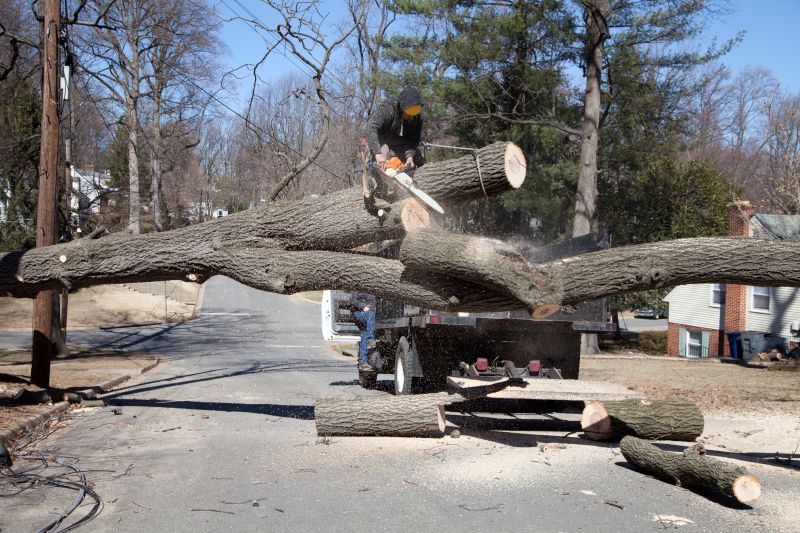
When selecting a professional for dead tree removal, it’s important to consider the experience of local service providers. Experienced contractors typically have a history of handling various tree removal projects, which can contribute to efficient and effective work. Homeowners may want to inquire about the duration of a contractor’s experience in the area, as familiarity with local tree species and common challenges can be beneficial. Gathering information about a provider’s background can help ensure the chosen professional has the practical knowledge needed for safe and thorough dead tree removal.
Clear communication and written expectations are essential when working with a tree removal service. Homeowners should seek providers who offer detailed estimates, scope of work, and any necessary safety considerations in writing. This helps establish a mutual understanding of the project’s parameters and reduces the likelihood of misunderstandings. Reputable local pros often prioritize transparent communication, which can contribute to a smoother process and better alignment with homeowner preferences.
References and reputation are key factors in evaluating local tree removal contractors. Homeowners are encouraged to seek out reputable references or reviews from previous clients in the area. Word-of-mouth recommendations and online reviews can provide insights into a contractor’s reliability, quality of work, and professionalism. Effective communication and a solid reputation can serve as indicators of a trustworthy service provider, helping homeowners make informed decisions when selecting a local professional for dead tree removal services.
Property owners in Livingston, NJ use Dead Tree Removal services for practical projects around their homes and businesses. The sections below highlight everyday jobs and straightforward project options.
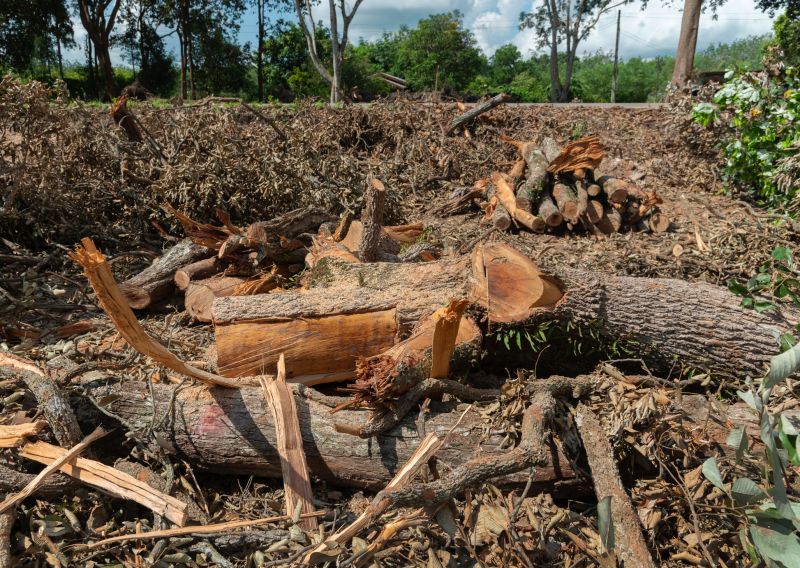
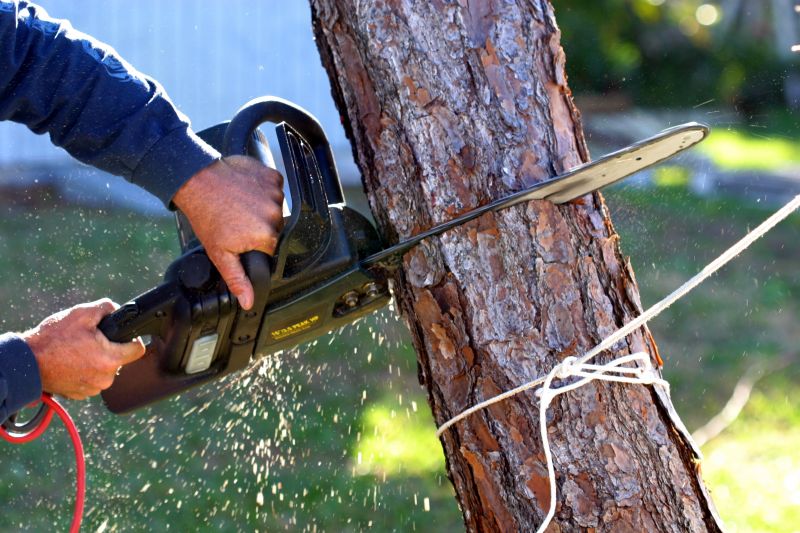
Dead tree removal services are commonly sought by property owners in Livingston, NJ, when a tree becomes hazardous due to disease, decay, or storm damage. Removing problematic trees can help prevent potential property damage or injury caused by falling branches or the entire tree. Additionally, property owners may opt for tree removal to clear space for new landscaping projects or to improve the overall safety and appearance of their outdoor areas.
In some cases, dead or dying trees may interfere with utility lines, obstruct views, or encroach on neighboring properties. Property owners might also seek removal services if a tree has become unstable or poses a risk during high winds or storms. Local professionals can assess the condition of trees and provide appropriate removal solutions to maintain safety and aesthetics on residential or commercial properties in Livingston, NJ.
What is dead tree removal? Dead tree removal involves the process of safely cutting down and removing trees that are no longer living or pose a risk to property or safety.
Why might I need dead tree removal services? Dead trees may threaten nearby structures, pose safety hazards, or detract from the appearance of a property, making removal necessary.
How do local pros handle dead tree removal? Professionals assess the tree’s condition, then use specialized equipment to safely cut and remove the tree, ensuring minimal impact on the surrounding area.
Are there any permits required for dead tree removal? Permit requirements vary by location; it’s best to contact local service providers to determine if permits are needed in Livingston, NJ or nearby areas.
What should I consider before choosing a dead tree removal service? Consider the company’s experience, reputation, and safety practices, and contact multiple providers to find the right fit for your needs.
Dead Tree Removal Services - Local professionals offer expert removal of hazardous or unwanted dead trees to enhance property safety and appearance.
Stump Grinding and Removal - Service providers can efficiently grind or remove tree stumps left after dead tree removal to clear the landscape.
Emergency Dead Tree Services - Contractors provide emergency response for fallen or dangerously leaning dead trees that pose immediate risks.
Consultation and Inspection - Local pros can assess dead trees to determine the safest and most effective removal methods for each property.
Considering Dead Tree Removal for a property in Livingston, NJ? The sections above highlight common project types, practical options, and details that often shape the scope of work.
When you are ready, use the quote form to share a few details about your project. Local pros can review the basics and respond with options that match what you have in mind.