Acreage Clearing in Salt Lake City, UT
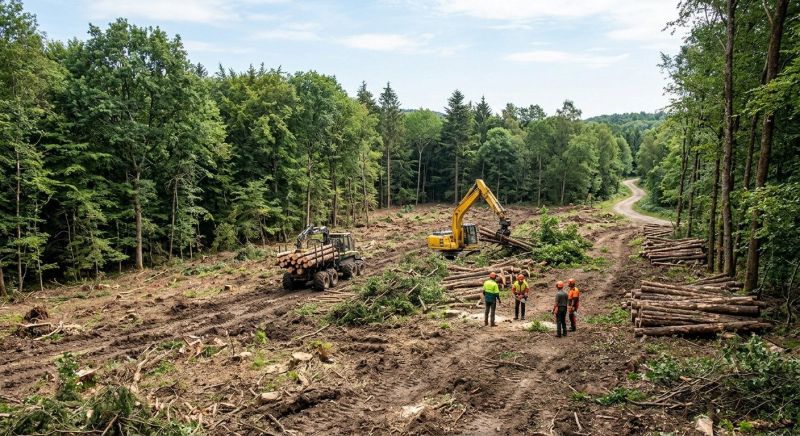
Acreage clearing services involve removing trees, brush, and other vegetation from large plots of land to prepare them for development, agriculture, or landscaping projects. This process can include tree removal, brush clearing, stump grinding, and grading to create a clean, accessible space. Property owners often request this service when they plan to build a new home, expand existing structures, create pastureland, or establish gardens and lawns on expansive properties.
Before requesting acreage clearing, property owners should consider the size and topography of the land, as well as any local regulations or permits required for vegetation removal. It’s also helpful to understand the types of vegetation present, including trees and shrubs, and whether there are any protected species or environmental restrictions. Clarifying these details can ensure the clearing process aligns with project goals and complies with local guidelines.
Many property owners in Salt Lake City, UT look into Acreage Clearing for repairs, replacements, upgrades, and appearance-related improvements.
Site Preparation For Development
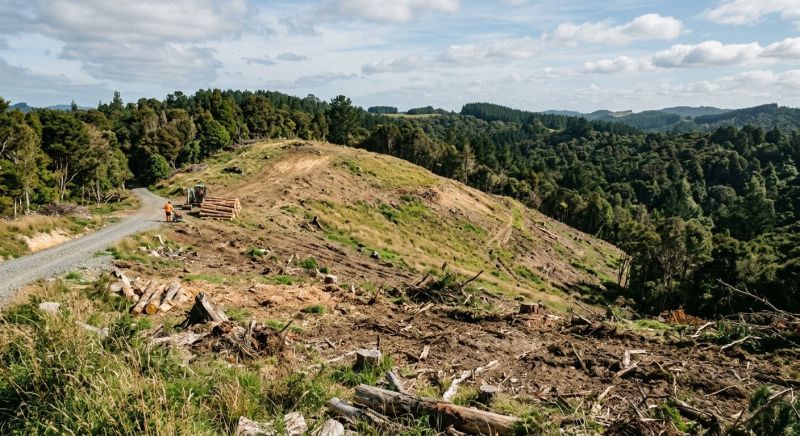
Acreage clearing creates a clean, level space for building homes, barns, or other structures on rural properties.
Land Management And Maintenance
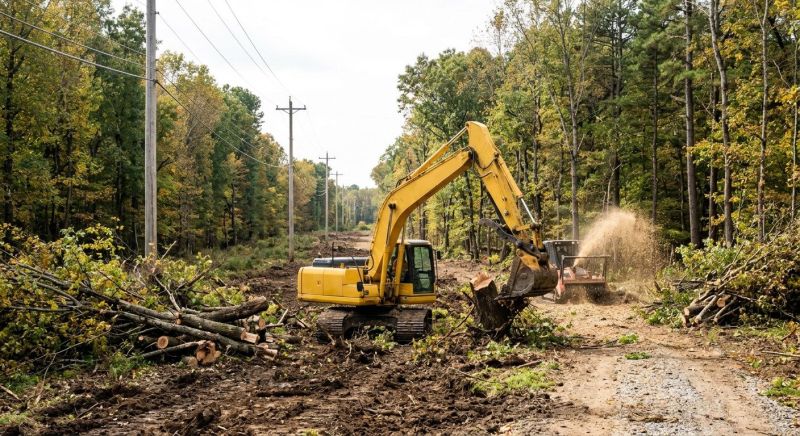
Clearing overgrown or unwanted vegetation helps maintain property safety and accessibility in salt lake city and nearby areas.

Agricultural And Farming Needs
Removing brush and trees supports agricultural projects and allows for better crop cultivation or grazing land management.
Acreage Clearing in Salt Lake City, UT
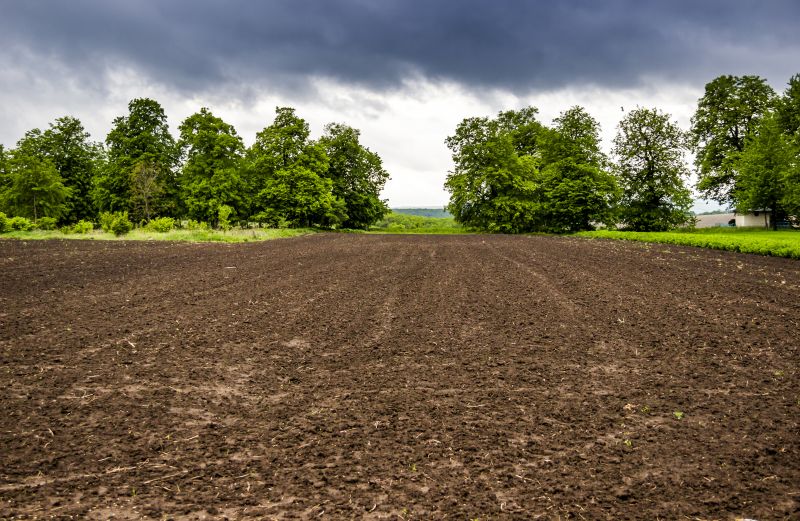
Acreage clearing services involve removing trees, brush, and other vegetation from large plots of land to prepare them for development, agriculture, or landscaping projects. This process can include tree removal, brush clearing, stump grinding, and grading to create a clean, accessible space. Property owners often request this service when they plan to build a new home, expand existing structures, create pastureland, or establish gardens and lawns on expansive properties.
Before requesting acreage clearing, property owners should consider the size and topography of the land, as well as any local regulations or permits required for vegetation removal. It’s also helpful to understand the types of vegetation present, including trees and shrubs, and whether there are any protected species or environmental restrictions. Clarifying these details can ensure the clearing process aligns with project goals and complies with local guidelines.
Many property owners in Salt Lake City, UT look into Acreage Clearing for repairs, replacements, upgrades, and appearance-related improvements.
Common Acreage Clearing Jobs
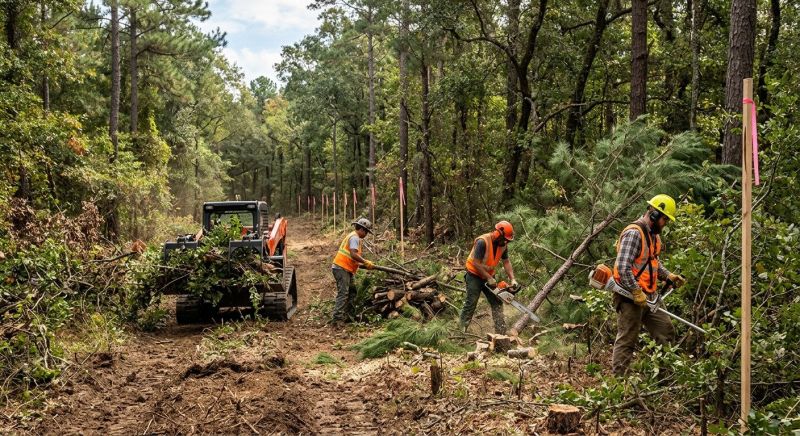
Land clearing - prepares properties for construction, landscaping, or development projects.
Brush removal - eliminates overgrown vegetation to improve safety and appearance.
Tree and stump removal - clears large obstacles and prevents future hazards on the property.
Grading and leveling - creates a stable, even surface for landscaping or building foundations.
Firebreak clearing - reduces wildfire risk by removing combustible vegetation.
Site cleanup - leaves the property tidy after clearing work is completed.
Acreage Clearing Questions
What types of properties benefit from acreage clearing? Properties with large open spaces, farmland, or undeveloped land often require clearing to prepare for development, farming, or landscaping projects.
What materials are typically removed during acreage clearing? Vegetation, trees, brush, and small debris are commonly cleared to create a clean, accessible area.
Is acreage clearing suitable for new construction projects? Yes, clearing land is a common step before starting construction or building on a property.
What should property owners consider before beginning acreage clearing? It's important to assess land conditions, local regulations, and the desired end use to ensure proper clearing and planning.
Request Acreage Clearing in Salt Lake City, UT
Use the quote form on this page to share the basics of your project and request more information for the type of work you need.