Get Dead Tree Removal in Redding, CT
Dead Tree Removal services for property owners in Redding, CT, and nearby areas address hazardous or dead trees, storm damage cleanup, and tree pruning or stump grinding projects.
Dead tree removal services are often considered by property owners in Redding, CT to enhance safety and prevent potential hazards. Overgrown or damaged trees can pose risks of falling limbs or complete toppling, which may threaten structures, vehicles, or personal safety. Removing problematic trees can also reduce the likelihood of property damage during storms or high winds, providing peace of mind for residents and ensuring the safety of everyone on the property.
Beyond safety, dead or decaying trees can negatively impact a property's appearance and functionality. Clearing these trees can improve curb appeal, making outdoor spaces more inviting and well-maintained. Additionally, removing hazardous trees can decrease ongoing maintenance needs, such as avoiding fallen branches or dealing with disease spread to healthy trees. This process helps preserve the durability of landscape features and maintains the overall integrity of the property.
- Hazardous Tree Removal - needed when diseased or damaged trees pose safety risks around residential or commercial properties.
- Stump Grinding and Removal - required after tree removal to eliminate unsightly stumps and prevent pest infestations.
- Emergency Tree Removal - necessary during storms or high winds to quickly clear fallen or unstable trees.
- Overgrown Tree Trimming - performed to reduce tree size and improve clearance around structures and power lines.
- Selective Tree Removal - used to remove specific trees that are crowding or impacting other landscape features.
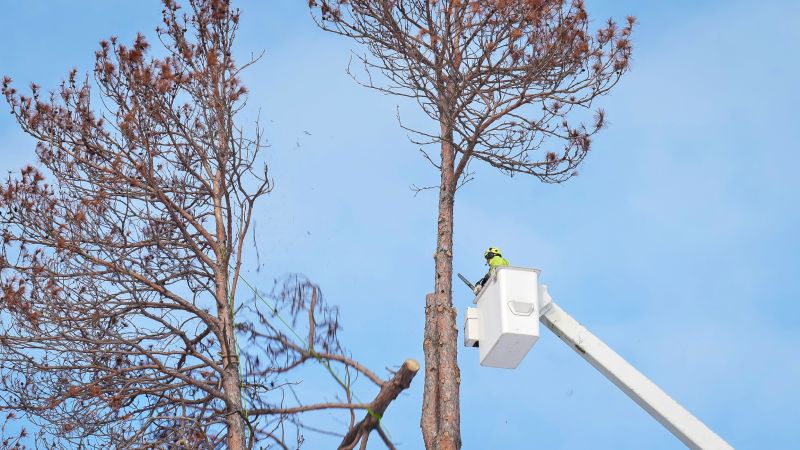
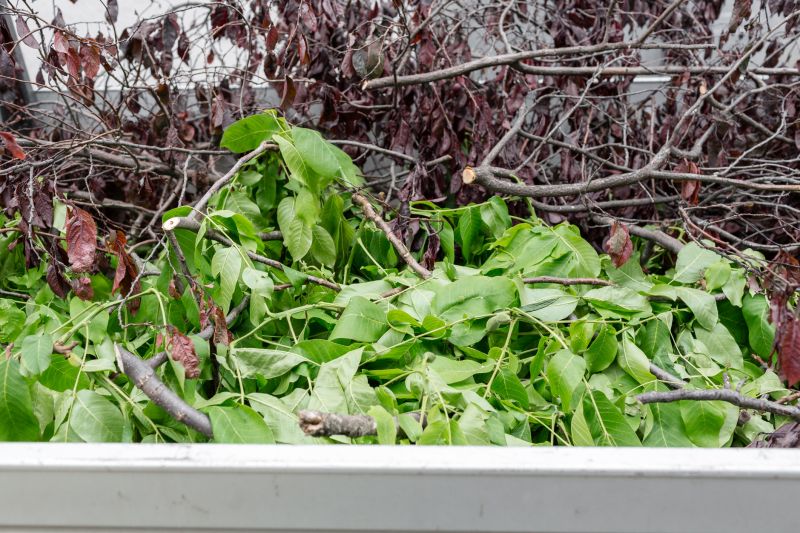
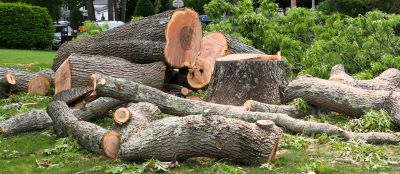
Dead tree removal services involve the safe and efficient removal of trees that are dead, dying, or pose a risk to surrounding property. These services typically include assessing the health and stability of a tree, planning the most effective removal method, and performing the work with specialized equipment. The process often involves trimming or cutting down the problematic tree, then safely disposing of the debris to prevent hazards such as falling branches or the spread of disease. Professional tree removal contractors focus on minimizing damage to nearby structures, landscaping, and utilities during the process.
Removing dead trees addresses several common problems that can threaten property safety and aesthetics. Dead or decaying trees are more likely to fall unexpectedly, potentially causing damage to homes, fences, or vehicles, and even posing risks to residents or visitors. Additionally, dead trees can harbor pests or diseases that might spread to healthy trees and plants on the property. Clearing these trees helps maintain the overall health and appearance of a landscape, reducing the risk of accidents and preventing the spread of decay to other parts of the property.
Properties that typically utilize dead tree removal services include residential homes, commercial buildings, parks, and public spaces. Residential properties often have trees near structures, driveways, or walkways where falling branches or complete tree failure could cause damage or injury. Commercial properties and public parks may require regular assessments and removals to ensure safety and compliance with local regulations. Urban areas with limited space also benefit from professional removal to prevent overgrowth or interference with utility lines, sidewalks, and roads.
Professional dead tree removal services are essential for maintaining safe and attractive landscapes across various property types. These services are often sought after by property owners who notice signs of decay, such as dead branches, hollow trunks, or visible rot. Engaging experienced contractors ensures that the removal process adheres to safety standards and local regulations. Contacting local tree removal providers can help property owners address potential hazards promptly and keep their landscapes safe and visually appealing.
The overview below groups typical Dead Tree Removal projects into broad ranges so you can see how smaller, mid-sized, and larger jobs often compare in Redding, CT.
In many markets, a large share of routine jobs stays in the lower and middle ranges, while only a smaller percentage of projects moves into the highest bands when the work is more complex or site conditions are harder than average.
Tree Removal Cost - The expense for removing a dead tree varies based on size and complexity, typically ranging from $200 to $1,200. Smaller trees may cost around $200-$500, while larger, more challenging removals can reach $1,000 or more.
Labor Expenses - Labor costs for dead tree removal generally account for a significant portion of the total, often between $150 and $600. Factors influencing labor include tree height, location, and difficulty of access.
Equipment Fees - The use of specialized equipment such as cranes or bucket trucks can add $100 to $400 to the overall cost. These tools are often necessary for safely removing large or hard-to-reach dead trees.
Additional Services - Extra services like stump grinding or debris removal may be priced separately, typically ranging from $75 to $300. These costs depend on the extent of work needed after the tree is cut down.
Actual totals will depend on details like access to the work area, the scope of the project, and the materials selected, so use these as general starting points rather than exact figures.
Dead Tree Removal services involve safely removing hazardous or unwanted trees that pose risks to property or safety, with local providers offering expert solutions.
Emergency Dead Tree Removal addresses urgent situations where dead or dying trees threaten safety, requiring prompt response from nearby specialists.
Stump Grinding and Removal complements dead tree removal by eliminating remaining stumps to improve landscape appearance and prevent regrowth, provided by local pros.
Land Clearing Services include dead tree removal as part of larger property clearing projects, helping to prepare land for development or landscaping.
Tree Health and Hazard Assessment services evaluate dead or dying trees to determine if removal is necessary to mitigate risks on residential or commercial properties.
Landscaping and Property Maintenance may incorporate dead tree removal to enhance aesthetic appeal and maintain safety standards in outdoor spaces.
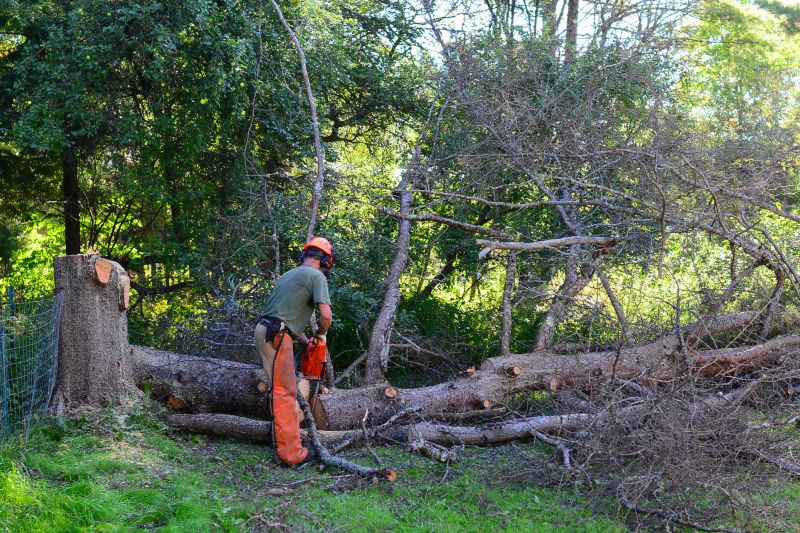
When evaluating local professionals for dead tree removal, it’s important to consider the experience of each service provider. Experienced contractors typically have a history of handling similar projects, which can contribute to more efficient and effective removal processes. Homeowners may want to inquire about how long a pros has been operating in the area and their familiarity with local tree species and conditions. This background can help ensure the work is performed safely and with a good understanding of potential challenges.
Clear, written expectations are essential when working with a tree removal service. Reputable providers often outline the scope of work, methods, and any necessary preparations or post-removal cleanup in detailed estimates or agreements. Having these expectations documented helps prevent misunderstandings and provides a reference point throughout the project. Homeowners should seek out pros who communicate their procedures transparently and are willing to address questions or concerns in writing.
Reputation and references from previous clients are valuable indicators of a service provider’s reliability. Homeowners can look for local pros with positive feedback or testimonials from neighbors and community members. Established professionals often have a track record of completing dead tree removal safely and responsibly. Effective communication is also key; pros who are responsive, clear, and professional in their interactions can foster a smoother, more predictable experience. Connecting with reputable local providers ensures that the project is managed by those who are known for quality service within the community.
Property owners in Redding, CT use Dead Tree Removal services for practical projects around their homes and businesses. The sections below highlight everyday jobs and straightforward project options.
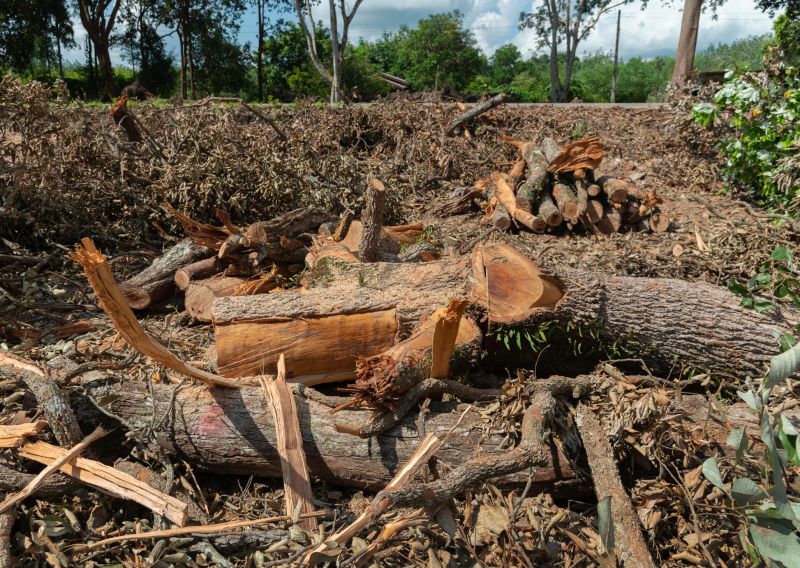
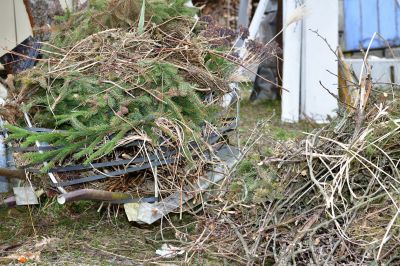
Dead tree removal services are often needed when property owners in Redding, CT notice trees that are dead, dying, or pose a risk to their property. These situations can arise after storms or due to disease, prompting homeowners to seek professional assistance to safely remove hazardous trees. Removing dead or decayed trees can help prevent potential damage to structures, power lines, or landscaping, ensuring the safety and aesthetic appeal of the property.
In addition to safety concerns, property owners may look for dead tree removal to improve the overall health and appearance of their yard. Overgrown or decayed trees can detract from a landscape’s visual appeal or interfere with planned landscaping projects. Local service providers can assist with the careful removal of these trees, helping maintain a safe and attractive outdoor space in Redding, CT.
What is dead tree removal? Dead tree removal involves the process of safely eliminating trees that are no longer living or pose a hazard to nearby property or people.
Why might I need dead tree removal services? Dead or dying trees can pose safety risks, obstruct views, or cause damage to structures, making removal a prudent choice.
How do local pros handle dead tree removal? Service providers typically assess the tree’s condition, then use specialized equipment to safely cut and remove the tree from the property.
Is dead tree removal suitable for any size tree? Many professionals can handle removals for trees of various sizes, but the complexity may vary depending on the tree’s height and location.
How can I find local dead tree removal services? Contact local tree care or removal specialists in the Redding, CT area to discuss your needs and arrange for service.
Dead Tree Removal Services - Local tree care providers specialize in safely removing dead or hazardous trees to help maintain property safety and appearance.
Assessment and Planning - Pros can evaluate the condition of dead trees and recommend appropriate removal methods tailored to each property.
Safe Tree Removal - Experienced professionals utilize proper techniques and equipment to remove dead trees efficiently and securely.
Cleanup and Disposal - Service providers ensure thorough cleanup and proper disposal of removed tree debris to restore the landscape.
Considering Dead Tree Removal for a property in Redding, CT? The sections above highlight common project types, practical options, and details that often shape the scope of work.
When you are ready, use the quote form to share a few details about your project. Local pros can review the basics and respond with options that match what you have in mind.